The exploration of carbon management technologies in the oil and gas industry represents a crucial step towards mitigating greenhouse gas emissions and achieving sustainability goals. This discussion examines key technologies, challenges, and opportunities associated with carbon capture, utilization, and storage (CCUS), as well as other innovative approaches to reducing carbon footprints in the sector. CCUS technologies play a pivotal role in reducing CO2 emissions from oil and gas operations. Carbon capture involves capturing CO2 emissions at their source, typically from industrial processes or power generation facilities. Once captured, CO2 can be utilized in various applications such as enhanced oil recovery (EOR), where CO2 is injected into oil reservoirs to increase production while storing the captured carbon underground.
Alternatively, CO2 can be stored permanently in geological formations, such as depleted oil and gas reservoirs or saline aquifers, through carbon storage. The aquifers, through carbon storage. The implementation of CCUS technologies faces several challenges, including high costs associated with capture and storage, technological maturity, and regulatory frameworks governing CO2 transport and storage. Despite these challenges, CCUS has the potential to significantly contribute to global emissions reduction targets, especially in sectors where emissions are difficult to eliminate
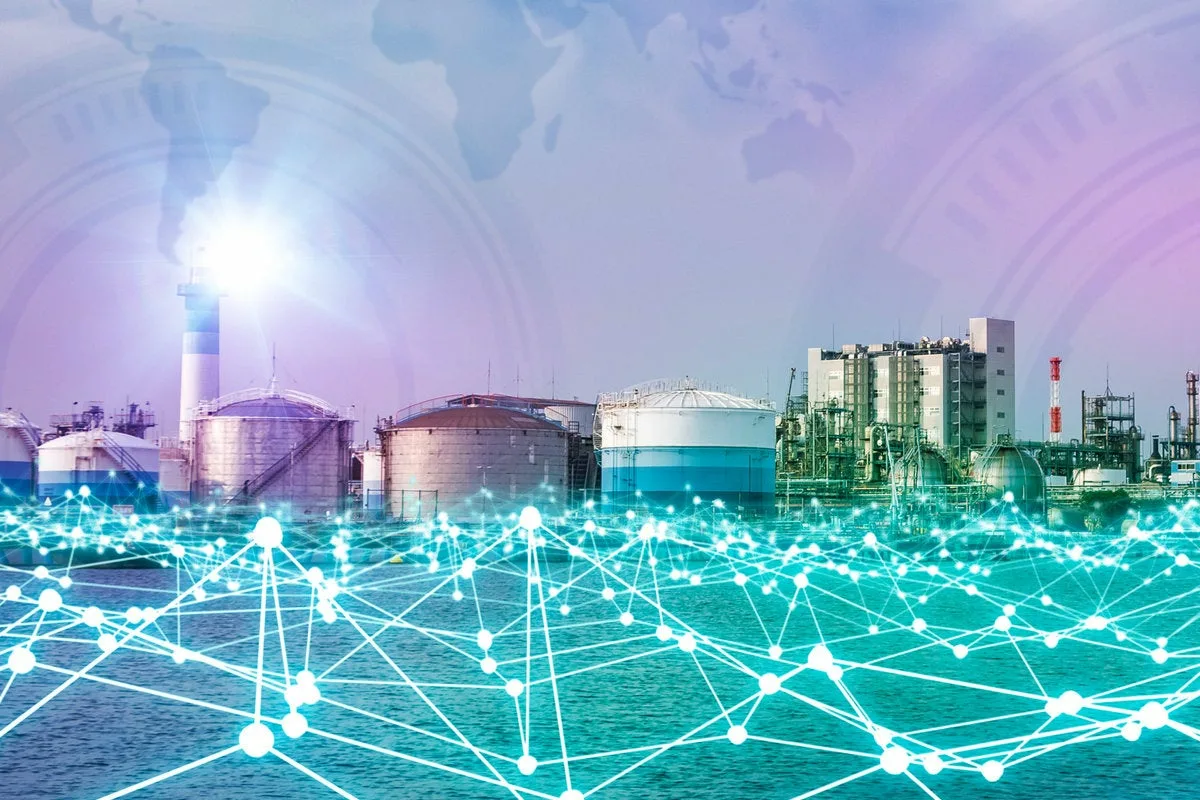
completely. Digital technologies, including advanced analytics, artificial intelligence (AI), and the Internet of Things (IoT), are increasingly integrated into oil and gas operations to optimize carbon management. These technologies enable real- time monitoring of emissions, predictive maintenance of equipment to minimize leaks, and optimization of energy use across facilities. Digital twins, who create virtual replicas of physical assets, allow for simulations and scenario analyses to optimize operations and reduce environmental impacts. The adoption of digital solutions in carbon management not only enhances operational efficiency but also supports data-driven decision-making and compliance with emissions regulations.
However, the integration of digital technologies requires substantial investments in infrastructure, cyber security measures, and skilled personnel The development of hydrogen as a clean energy carrier holds promise for decarbonizing various sectors, including transportation and industrial processes within the oil and gas industry. Hydrogen can be produced through electrolysis powered by produced through electrolysis powered by renewable energy sources, offering a pathway to reduce carbon emissions associated with traditional hydrogen production methods.
In oil refining, hydrogen is essential for desulfurization and other processes, and its production from renewable sources could significantly reduce overall carbon footprints. Moreover, the exploration of alternative fuels derived from renewable sources, such as biofuels and synthetic fuels produced from captured CO2, offers additional opportunities to reduce carbon emissions across the oil and gas value chain. Nature-based solutions, such as reforestation and soil carbon sequestration, complement technological approaches to carbon management by enhancing carbon sinks and biodiversity conservation. Reforestation projects can capture carbon dioxide from the atmosphere, while sustainable land management practices improve soil health and increase carbon storage capacity. These natural climate solutions contribute to climate resilience and biodiversity conservation while providing co-benefits such as improved water quality and enhanced ecosystem services.
Despite the potential benefits of carbon management technologies, several challenges hinder their widespread adoption in the oil and gas industry. These challenges include the high upfront costs of technology deployment and infrastructure development, uncertainty regarding regulatory frameworks and carbon pricing mechanisms, as well as public perception and social acceptance of carbon capture and storage projects. Addressing these challenges requires collaborative efforts among industry stakeholders, policymakers, financial institutions, and the broader community to create a conducive environment for investment and innovation.
Looking ahead, advancing carbon management technologies in the oil and gas industry requires continued research and development, policy support, and international collaboration. Governments play a critical role in incentivizing investments through regulatory frameworks, carbon pricing mechanisms, and subsidies for technology deployment. Industry collaboration and knowledge-sharing initiatives can accelerate the development and deployment of scalable carbon management solutions. By leveraging innovative technologies, fostering collaboration, and overcoming existing barriers, the industry can contribute significantly to global efforts to achieve a low-carbon future while continuing to meet global energy demands.
Exploring carbon management technologies in the oil and gas industry represents a vital pathway towards achieving sustainability goals and mitigating climate change impacts. By leveraging innovative technologies, fostering collaboration, and overcoming existing barriers, the industry can contribute significantly to global efforts to achieve a low-carbon future while continuing to meet global energy demands. Effective regulatory frameworks and financial incentives are vital enablers, supporting the transition through emissions reduction targets, subsidies for clean technologies, and favorable financing terms. The alignment of policy and financial support with industry initiatives is crucial for driving meaningful progress. The paper concludes with actionable recommendations for industry stakeholders, policymakers, and researchers, emphasizing the need for collaborative efforts to drive the transition towards a low-carbon future. This research aims to provide valuable insights into the evolving landscape of carbon management in the oil and gas industry, contributing to the broader discourse on sustainable energy practices.