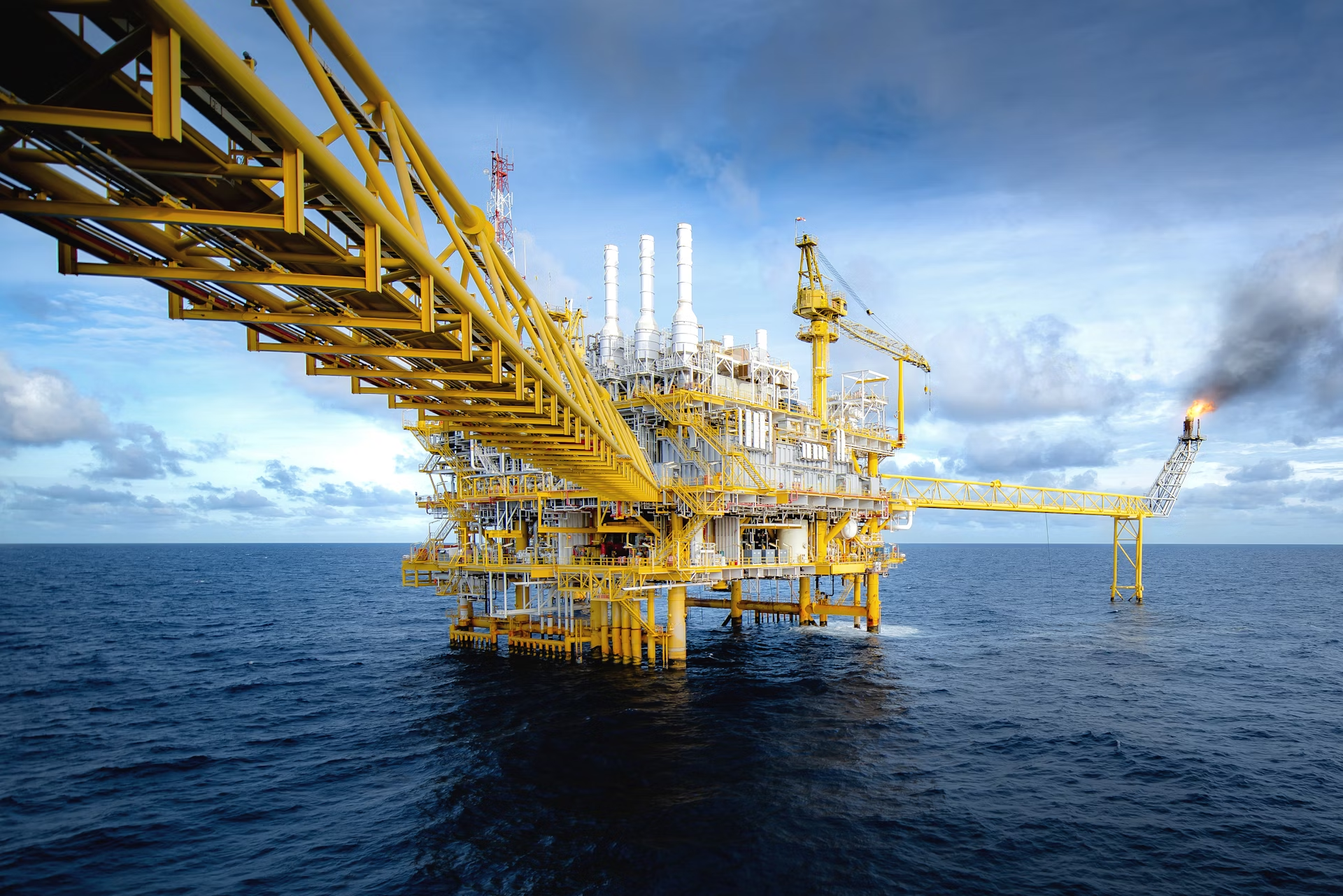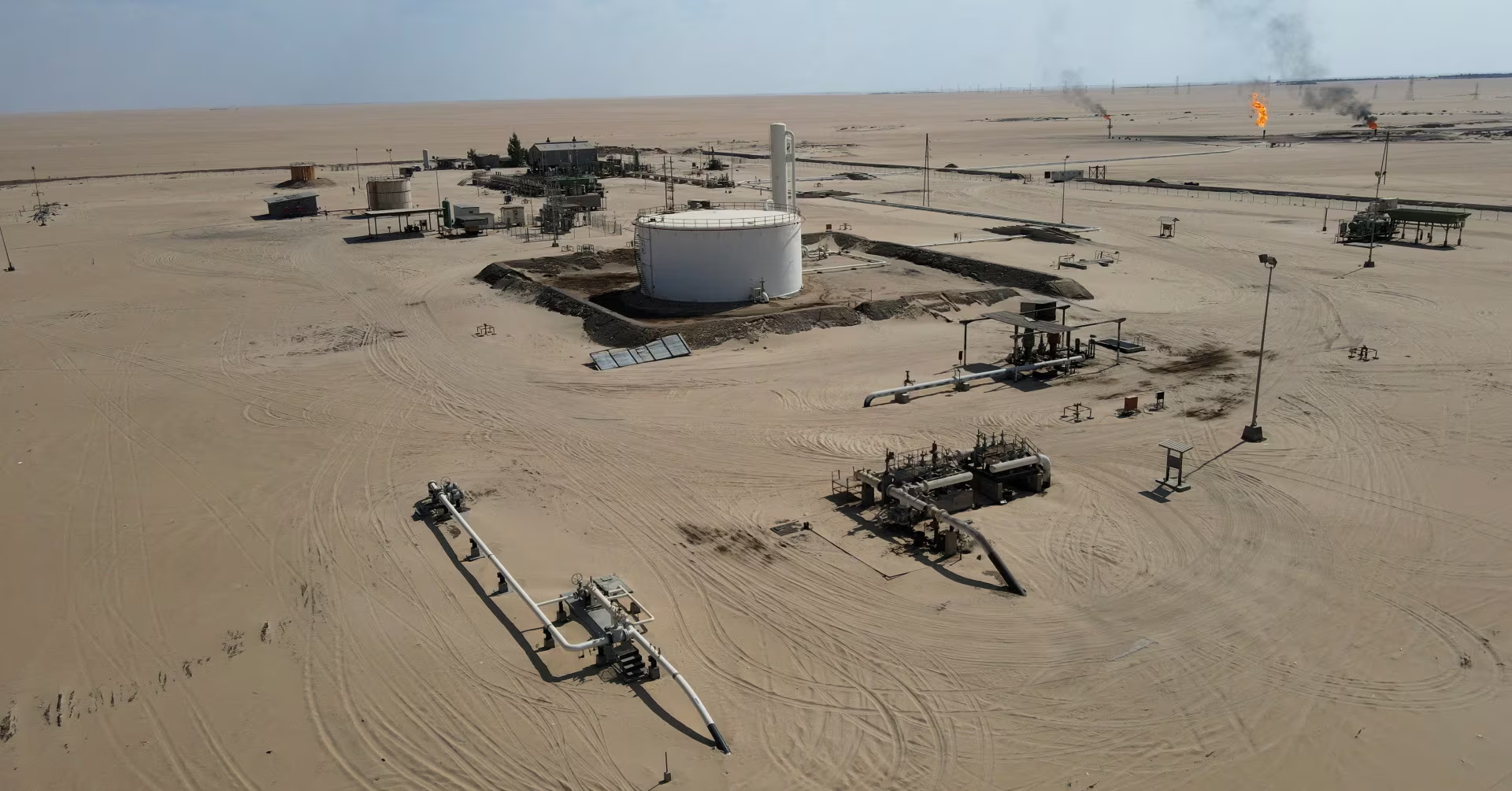
Libya is one of Africa’s largest oil producers and holds some of the world’s richest petroleum reserves. Since the discovery of oil in the late 1950s, the industry has transformed the nation’s economy, shaping its political landscape and playing a defining role in development. At the same time, the oil sector has left deep marks on Libya’s environment, with pollution, resource mismanagement, and weak regulation creating challenges for both people and ecosystems. This article explores the dual effects of Libya’s oil industry—its developmental benefits and its environmental costs.
The Developmental Role of Libya’s Oil Industry
1. Economic Backbone
Oil revenues account for more than 90% of Libya’s exports and government income, making petroleum the backbone of the national economy. These revenues have financed infrastructure, public sector wages, education, and health services.
2. Infrastructure and Modernization
The oil boom accelerated urban development and modernization projects, from roads and housing to power generation. Oil wealth helped Libya make significant improvements in literacy, healthcare access, and social welfare during periods of stability.
3. Employment and Training
The industry created thousands of jobs in exploration, production, refining, and transport. It also contributed to the growth of technical expertise and training programs for Libyan professionals.
4. Global Strategic Importance
As a member of OPEC and a country with high-quality crude oil, Libya occupies a critical position in global energy markets, giving it international influence and partnerships.
Environmental Reflections of Oil Industry Development
Despite these economic gains, the rapid growth of the oil sector has generated significant environmental challenges:
1. Air Pollution
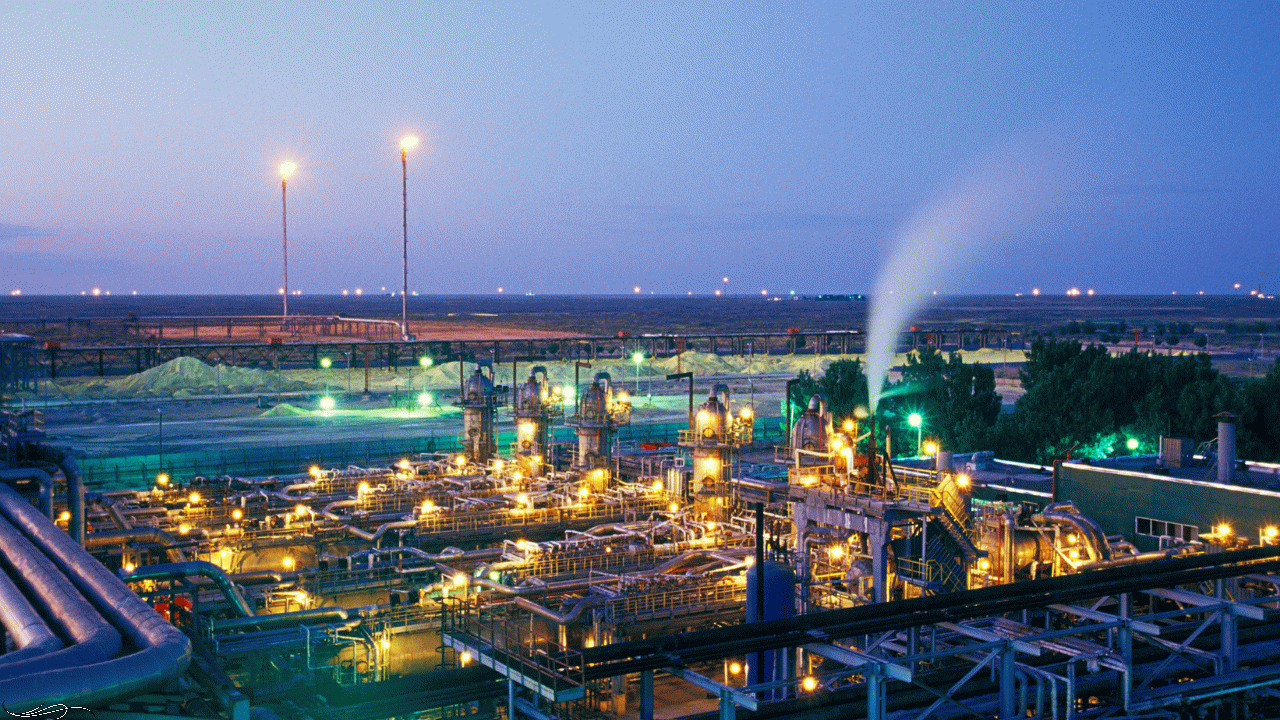
Gas flaring, refining operations, and fuel combustion release large amounts of greenhouse gases, sulfur dioxide (SO₂), nitrogen oxides (NOx), and particulate matter, harming air quality and public health.
2. Water Contamination
Oil spills and untreated wastewater discharge pollute groundwater and coastal areas, threatening marine ecosystems in the Mediterranean and local water supplies in desert communities.
3. Soil Degradation
Pipeline leaks and poor waste management degrade agricultural lands, leading to reduced crop yields and food insecurity.
4. Climate Change Vulnerability
Libya’s reliance on fossil fuels contributes heavily to greenhouse gas emissions. Combined with rising temperatures and desertification, this creates long-term risks for the country’s fragile ecosystems and communities.
5. Human Health Risks
Communities near oil fields and refineries face elevated risks of respiratory illnesses, cancers, and chronic diseases due to prolonged exposure to pollutants such as benzene, PAHs, and fine particulates.
Key Challenges in Libya
- Overdependence on Oil Revenues: Lack of diversification leaves the economy vulnerable to market volatility.
- Weak Environmental Governance: Limited enforcement of environmental regulations allows pollution to persist unchecked.
- Aging Infrastructure: Outdated refineries and pipelines increase risks of leaks, accidents, and inefficiencies.
- Conflict and Political Instability: Civil conflict has weakened oversight institutions and reduced investment in environmental protections.
- Public Awareness Gaps: Citizens and communities often lack access to transparent data about environmental risks.
Toward a Sustainable Oil Future in Libya
To balance development with environmental protection, Libya must:
- Adopt Cleaner Technologies – Capture associated gas instead of flaring and upgrade refineries with pollution control systems.
- Strengthen Environmental Laws and Enforcement – Introduce stronger regulations and transparent monitoring of emissions and spills.
- Enhance Transparency and Accountability – Join and implement initiatives such as the Extractive Industries Transparency Initiative (EITI).
- Diversify the Economy – Invest in renewable energy, agriculture, and other sectors to reduce dependence on oil.
- Empower Civil Society – Involve communities and NGOs in monitoring and reporting on the environmental impacts of the oil industry.
Conclusion
The oil industry has been both a driver of development and a source of environmental harm in Libya. While it has funded public services, modernization, and international influence, it has also polluted air, water, and soil—putting health and ecosystems at risk. For Libya to build a sustainable future, it must embrace transparency, accountability, and environmental responsibility in managing its oil wealth.
At Liyban Oil & Gas Organization, we believe that natural resources should be managed for the benefit of all citizens—not at the expense of their health or environment. The lessons from Libya’s oil journey highlight the urgent need to align development with sustainability.